

Private Tour in Athens
Athens: The Cradle of Democracy
Introduction
Athens is the birthplace of democracy. On Pnyx Hill, citizens once debated laws. In the Ancient Agora, officials and philosophers shaped civic life. This private tour explores both sites to reveal the foundations of Western political thought.
Rather than seeing scattered ruins, you follow a logical path. First, you witness the space where democracy was practiced. Then, you explore the Agora, where theory met action. As a result, you understand the practical, cultural, and intellectual aspects of Athenian governance.
This tour is ideal for travelers who value history, civic insight, and the story behind institutions that still influence the modern world.
What You’ll See
The tour includes two key sites:
Pnyx Hill
-
Open-air meeting place of the Assembly (Ekklesia)
-
Stone speaker’s platform (Bema) where orators addressed citizens
-
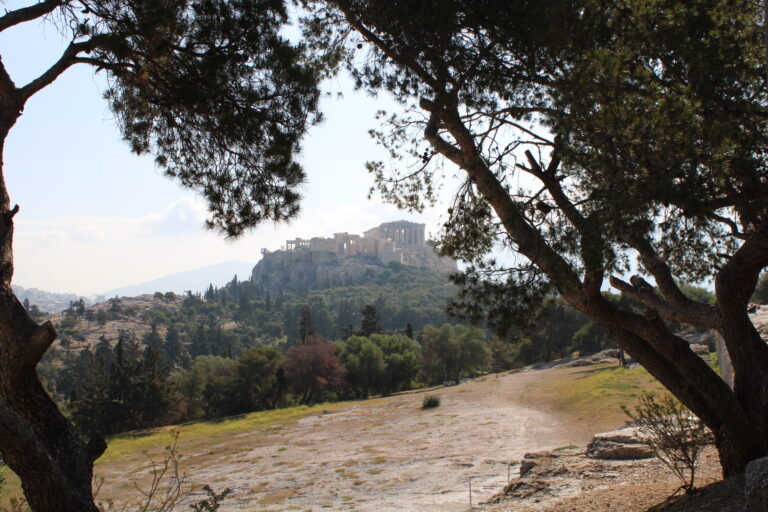
Panoramic views of the Acropolis and city below
Walking here, you feel the physical space where citizens exercised political power. Meanwhile, your guide explains the significance of each stone and elevation. Consequently, you grasp how architecture and geography influenced civic process.
Ancient Agora
-
Bouleuterion, council chamber of 500
-
Tholos, administrative center and magistrates’ office
-
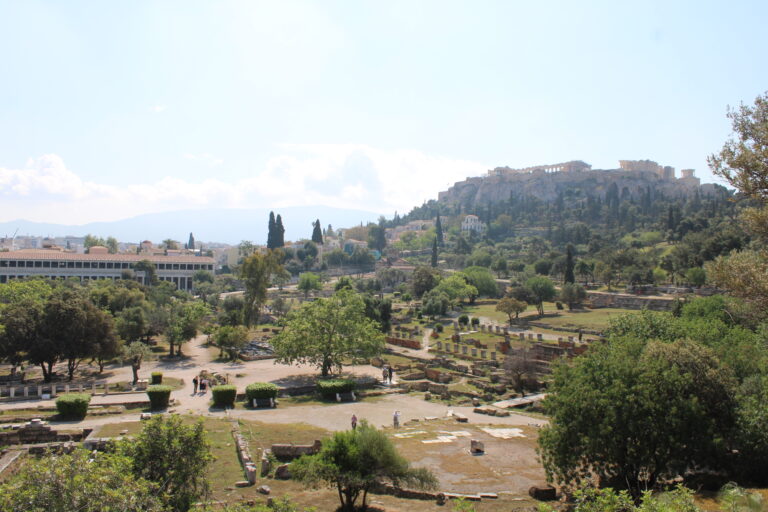
Stoa of Attalos, reconstructed marketplace and civic hub
-
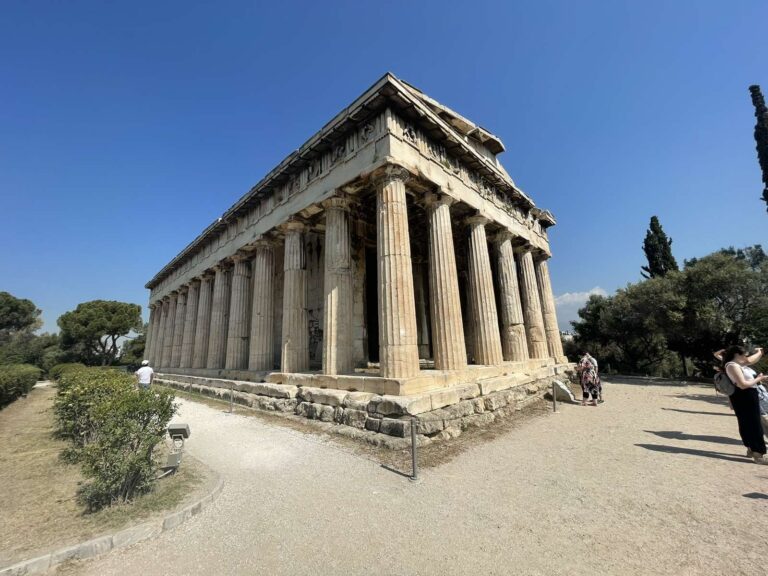
Temple of Hephaestus, honoring craftsmanship and civic pride
-
Public square where philosophers taught and citizens gathered
As you move between sites, connections become clear. The Pnyx shows the practice of democracy. The Agora reveals its daily mechanisms. Together, they explain how Athens balanced idealism with organization.
Tour Details
-
Duration: 3–3.5 hours
-
Type: Private political history experience
-
Meeting point: Entrance of the Zonars cafe restaurant
-
Walking level: Moderate; some uphill at Pnyx Hill
-
Entrance tickets: Can be arranged in advance
-
Recommended time: Morning or late afternoon for comfort
The private format ensures discussion at your pace. Questions on politics, philosophy, or civic architecture are welcome. In addition, pauses allow time to reflect or photograph.
History and Civic Significance
Pnyx Hill is where democracy became tangible. Citizens of Athens gathered here regularly. They debated laws, voted on decrees, and held leaders accountable. Therefore, political power was not abstract. It was exercised directly, in open air, with full visibility.
The Bouleuterion in the Agora complemented this. The council of 500 prepared legislative proposals. Magistrates worked in the Tholos. Courts, markets, and public spaces surrounded these administrative structures. Consequently, governance was embedded in daily life.
This combination of assembly space and civic hub created a functioning democracy. Citizens learned participation, responsibility, and debate. Over time, practices developed here influenced political thought for centuries. Philosophers like Aristotle studied and codified these principles. Eventually, democratic ideas spread beyond Athens, laying the foundation of modern governance.
Myth and Symbolism
Even political spaces carried symbolic meaning. The Acropolis, visible from both Pnyx Hill and the Agora, represented divine oversight. Athena’s protection symbolized civic virtue and justice. Consequently, politics and religion intertwined, reminding citizens of moral responsibility.
Statues and temples in the Agora reinforced cultural ideals. Temples honored gods associated with craft, war, and wisdom. Meanwhile, open squares reflected egalitarian principles. Therefore, civic design and mythology operated together.
By understanding these layers, democracy feels human, ideological, and sacred simultaneously.
Why This Tour Is Different
Many visitors see ruins without context. Others study democracy academically but lack a sense of place. This private tour combines both.
First, you experience the Pnyx physically. You sense what it meant to stand and speak as a citizen. Then, the Agora shows practical governance. Therefore, theory and practice merge seamlessly.
Second, the tour is private. Questions are encouraged. Pacing is flexible. You decide where to linger, whether that is over architectural features, political institutions, or philosophical insights.
Finally, the narrative is cohesive. Sacred spaces, civic spaces, and cultural ideals are explained together. This makes the story of Athens’ democracy clear, memorable, and inspiring.
Visitor Tips
To enjoy the tour fully:
-
Wear comfortable walking shoes for uneven terrain
-
Bring water, particularly in summer months
-
Protect yourself from the sun with a hat or sunscreen
-
Travel light for ease of movement
Pnyx Hill is exposed. Therefore, early departures provide cooler temperatures and softer light. Photography is encouraged at both locations.
Who This Tour Is For
This experience is ideal for:
-
History and political science enthusiasts
-
Travelers who want context on democracy’s origins
-
Students and scholars
-
Adults and families interested in civic systems
-
Guests who prefer private, structured exploration
If you want to understand not just Athens’ monuments but its political soul, this tour delivers clarity. However, those seeking only architectural highlights may prefer a hill-only or Agora-only tour.
Final Thoughts – Walk Where Democracy Was Born
Pnyx Hill and the Ancient Agora are more than ruins. They are living symbols of participation, debate, and civic responsibility.
This private tour allows you to experience democracy physically and intellectually. You see where citizens spoke, voted, and learned. You understand how politics, philosophy, and sacred spaces intertwined.
For travelers who value insight, reflection, and structured learning, this is the definitive Athens democracy experience.
Book your private Athens: The Cradle of Democracy tour today and walk among the architects of Western governance.
❓FAQ
Moderate uphill with uneven surfaces. Comfortable shoes recommended.
Yes, tickets are arranged in advance. However, if you already have tickets let us know and we will plan your tour around them.
Yes. Teenagers and adults will find civic history engaging.
Yes. The Acropolis overlooks both Pnyx Hill and the Agora, connecting sacred and civic spaces.
Yes. Many guests extend their day to visit the Museum for context on art and architecture.
You would have to check the Official Site of the Ministry of Tourism
It emphasizes civic practice, political history, and philosophy, not just monuments. Private guidance ensures a cohesive narrative.
Book here for Guided Tour:
“Athens: The Cradle of Democracy“
Fill the form to book this tour now!
Chat with our book team
Contact support


