


Why Is Plaka Called the “Neighborhood of the Gods”?
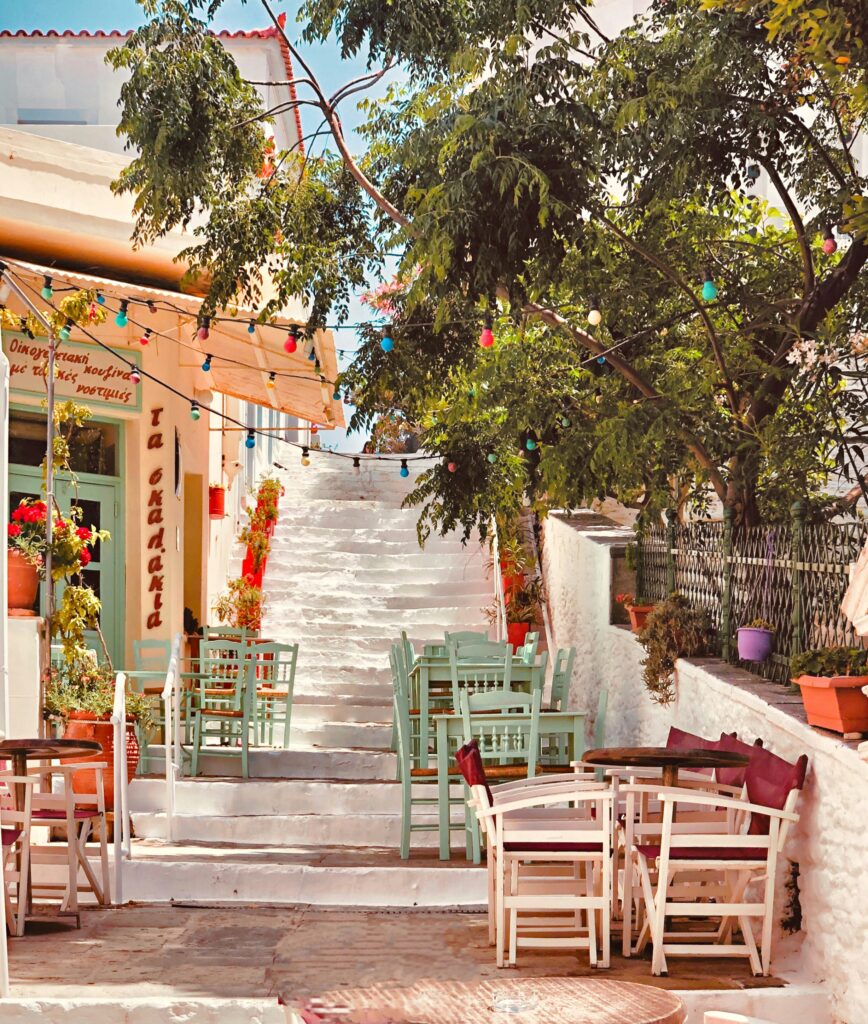
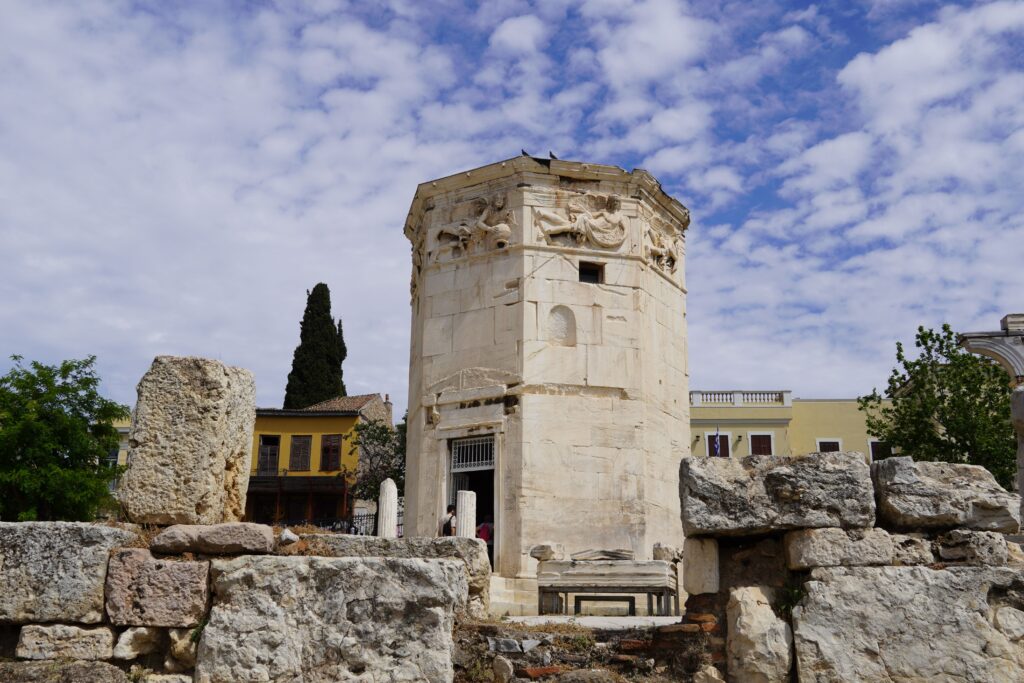
The name makes perfect sense when you see where Plaka sits. The neighborhood stretches along the northern and eastern slopes of the Acropolis, directly beneath the ancient temples dedicated to the gods of Athens. Imagine waking up every morning with the Parthenon above you.
For centuries, people have lived, worked, worshipped, and celebrated in this area. Ancient Athenians walked these streets. Byzantine communities built churches here. Ottoman officials passed through these neighborhoods.
Plaka has never been just a place to visit. It has always been a place where life happens.





Is Plaka Tourist-Friendly?
Yes. But there is a difference between tourist-friendly and tourist-only.
Plaka welcomes visitors from around the world while still maintaining a strong connection to local life. Yes, you will find souvenir shops and busy streets.
But you will also find residents, family businesses, quiet corners, and traditions that continue today. The secret is knowing where to look.
The Best Time to Visit Plaka
Plaka is beautiful at any time of day, but the atmosphere changes.
Morning
The streets are quieter. Cafés begin opening. The neighborhood feels more local and relaxed.
Afternoon
The area becomes lively with visitors exploring after the Acropolis.
Evening
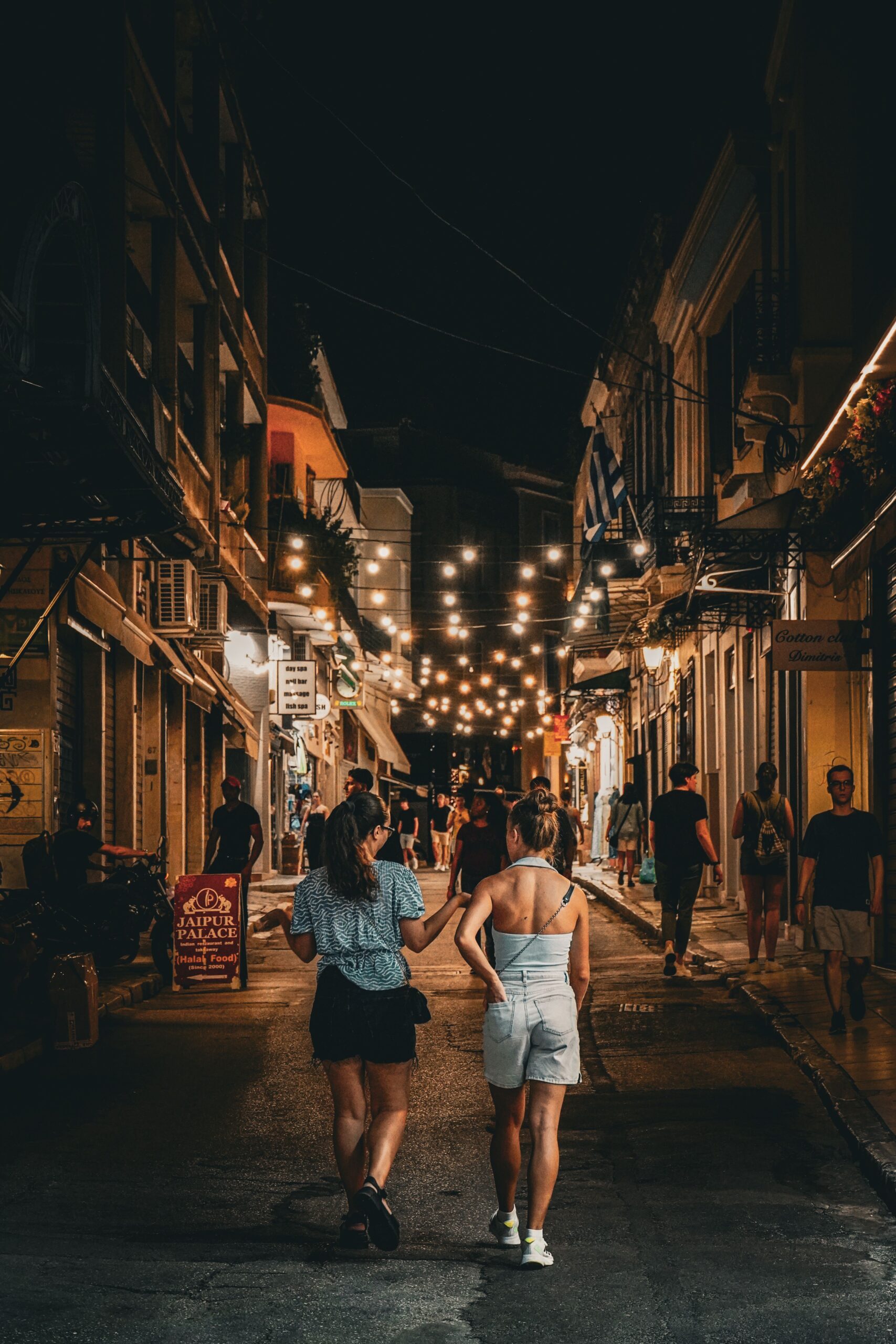
This is when Plaka becomes especially charming. The lights come on. Restaurants fill with conversation. The Acropolis glows above the rooftops. It is one of those Athens moments that stays with people.
How Much Time Do You Need in Plaka?
You can walk through Plaka in an hour. But should you?
Probably not.
The neighborhood is best enjoyed slowly. Allow at least two to three hours if you want to explore, take photos, enjoy a drink, and discover some hidden corners.
Remember: Plaka is not an attraction you simply visit. It is an atmosphere you experience.
Plaka with Kids: Is It Family-Friendly?
Absolutely. Children often enjoy Plaka because it feels like an adventure. Full of winding streets, unexpected views and the tiny houses in Anafiotika, it seems like a huge playground for the little explorers. It is also a great place to take a break after visiting the Acropolis. Sometimes a small pastry and a quiet street are exactly what a family needs after thousands of years of history.


Shopping in Plaka: What Should You Look For?
Plaka has many shops selling Greek products and souvenirs. Popular items include handmade jewelry, ceramics, Greek olive oil products, traditional crafts and local artwork. The best souvenirs are not necessarily the most expensive. They are the ones that remind you of a place and a moment.
Why Explore Plaka With a Private Guide?
You can absolutely walk through Plaka on your own. In fact, getting pleasantly lost is part of the fun. However a private guide helps reveal the layers beneath the surface. Plaka is charming at first glance. It becomes fascinating when you understand what you are seeing.
A Guide’s Tip
Don’t leave Plaka too quickly. Many visitors pass through on their way between the Acropolis and dinner. They see the colorful streets, take a few photos and move on. But the magic of Plaka is not found in rushing. Stay for a while. Listen to the sounds around you. Notice the details.
The neighborhood has been welcoming visitors for generations. It knows how to tell its stories, but only if you give it time.
Final Thoughts
Plaka is one of those rare neighborhoods that manages to be both historic and alive. It is ancient but not frozen. Traditional but not forgotten. Popular but still full of surprises. For first-time visitors, it offers a beautiful introduction to Athens. For returning travelers, it reveals new details every time. So take a walk beneath the Acropolis. Follow the little streets. Look beyond the obvious. Because in Plaka, every corner has a story, and some of the best ones are the stories you discover unexpectedly.

